DIY Backyard Chicken Coop Run
Highlighted under: Simple Speed Kitchen
I’ve always dreamed of having fresh eggs right in my backyard, and building a chicken coop run seemed like the perfect way to bring that dream to life. After researching various designs and materials, I decided to go with something sturdy yet simple to construct. Over the weekend, I gathered my tools and got to work. I was pleasantly surprised by how satisfying it was to see the project come together, providing a safe space for my chickens to roam freely while ensuring they were protected from predators.
When I first started planning my chicken coop run, I knew I wanted it to be both functional and aesthetically pleasing. I researched various designs and ended up creating a size that allowed my chickens to be comfortable while keeping them safe. The most important part was ensuring the materials were durable and the structure solid, which I achieved with pressure-treated wood and chicken wire.
As I worked on the coop, it was refreshing to watch my chickens gradually adjust to their new environment. This method not only gives them plenty of room to stretch their legs, but it also helps keep them entertained. The best tip I can share is to make sure the run is designed with enough shade and shelter, as this helps keep them happy and healthy during hot days.
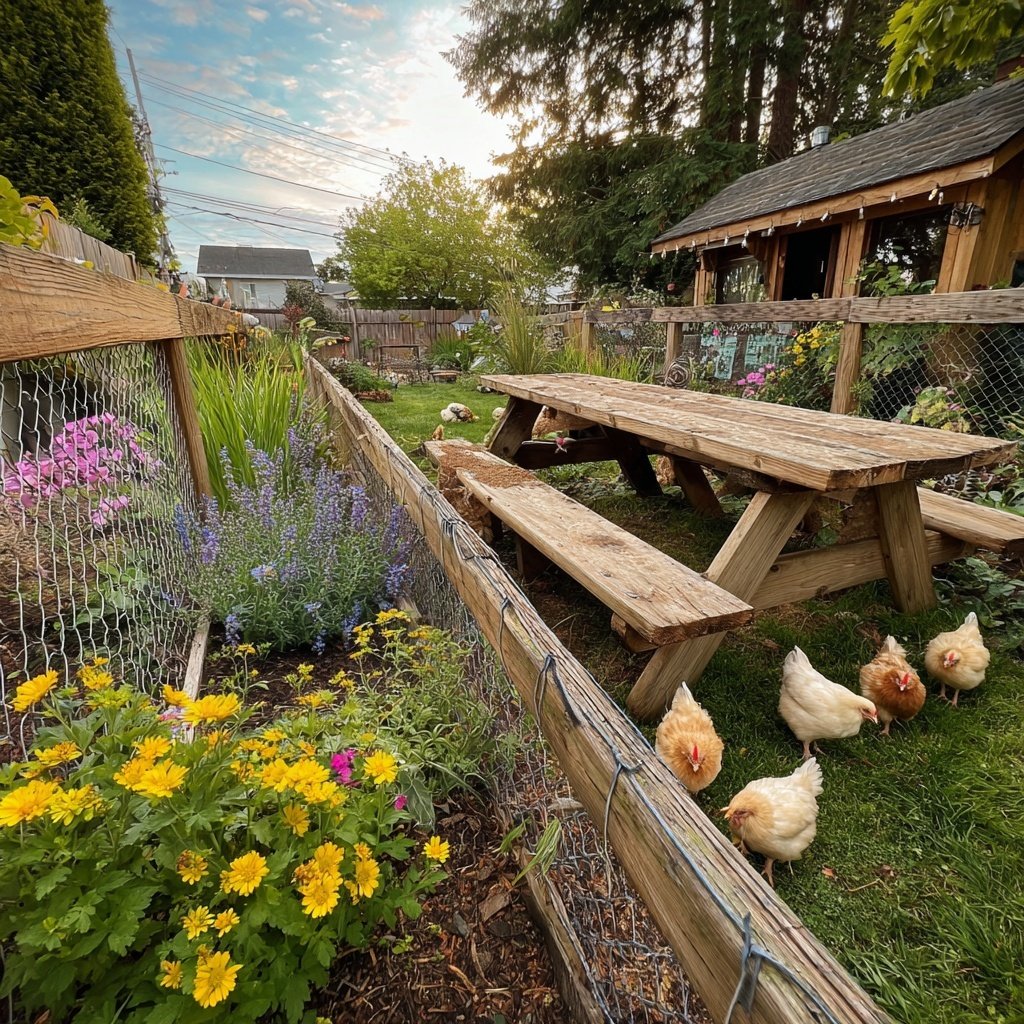
Why You Will Love This DIY Project
- Creates a safe space for your chickens to roam.
- Enhances the charm of your backyard.
- Encourages a sustainable lifestyle with fresh eggs.
Choosing the Right Location
Selecting the ideal spot for your chicken coop run is crucial for both the comfort of your chickens and the aesthetic of your backyard. Look for an area that receives partial sunlight and some shade to protect your chickens from extreme temperatures. It's also wise to ensure the location is easily accessible for feeding and cleaning. Consider proximity to your home for convenient egg collection and daily check-ins, but also be mindful of potential noise and odors that may arise.
Moreover, the ground's condition is important. A well-drained area will prevent muddy conditions, which could lead to health issues among your flock. If your yard has been problematic in the past, consider raising the ground with additional soil or gravel to improve drainage. You might also want to add a small dust-bathing area with sand or dirt, as chickens naturally enjoy dust baths to help keep their feathers clean.
Securing Your Coop Run
A secure chicken coop run is vital to protect your flock from predators such as raccoons, foxes, and hawks. While chicken wire provides a decent barrier, consider using hardware cloth, which is sturdier and less penetrable. When attaching the wire, ensure overlaps by at least a foot to prevent sneaky predators from finding weak points. Trenching the bottom of your wire run into the ground can also deter digging animals, making your coop run much safer.
It's also wise to inspect your coop run regularly. Look for any signs of wear and tear or areas where the wire or wood may have become damaged. If you notice any gaps, fix them immediately. Regular check-ups can save you from unwanted surprises and ensure that you maintain a healthy and secure environment for your chickens.
Design Variations to Consider
While the traditional rectangular design works well, there are many variations you can consider based on your garden’s layout. For instance, a pentagon or circular design can maximize space and provide a unique aesthetic appeal. If you have more room, you might also contemplate creating multiple sections within the run, allowing for safe separation if you plan on introducing new hens to the flock later on.
You could also differentiate the coop run's features. Adding perches, nesting boxes, or even a small water feature can enhance your chickens' living space, making it more enjoyable for them. These additions not only provide stimulation but can also keep them engaged, reducing the chances of boredom-induced pecking or aggressive behaviors.
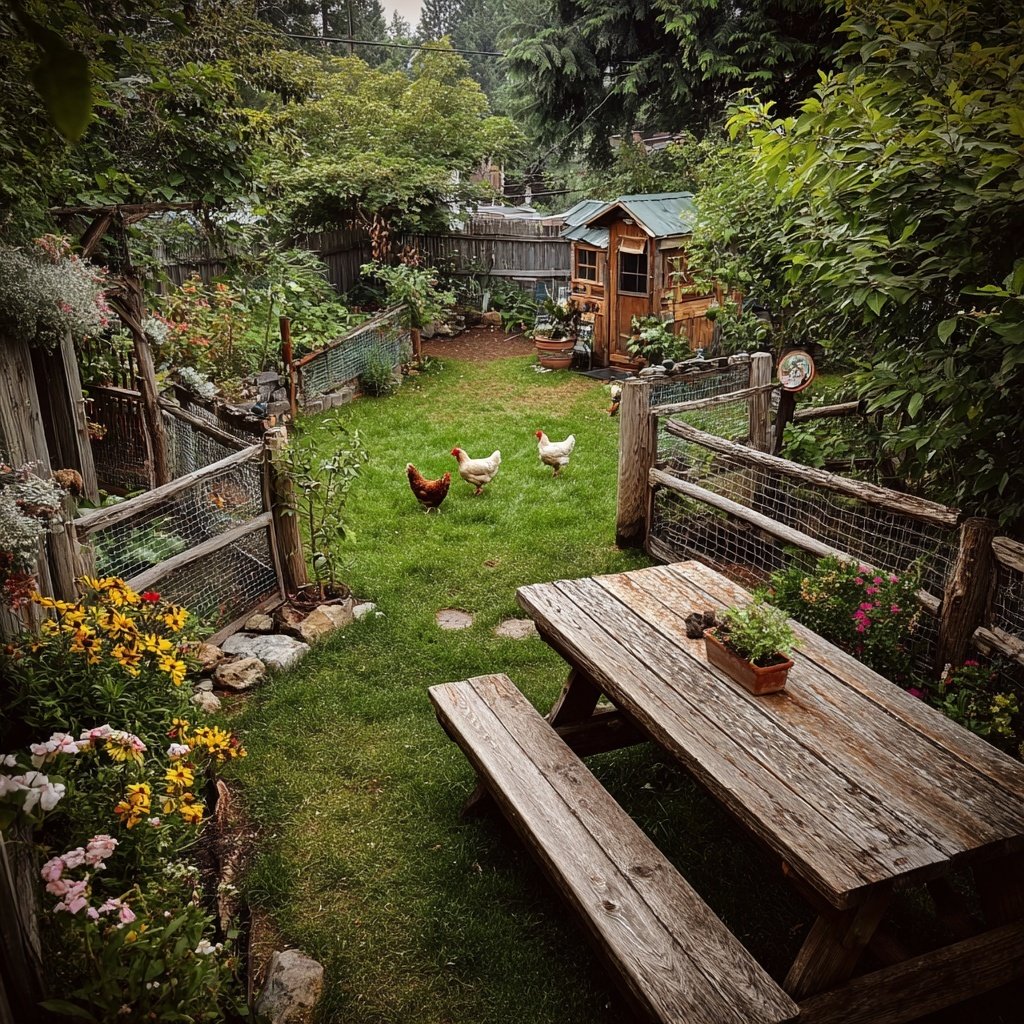
Steps to Build Your Coop Run
Gather Materials
To start, gather all necessary materials such as pressure-treated wood, chicken wire, screws, and tools like a saw, drill, and hammer.
Layout the Run
Decide on the dimensions of your chicken run and lay out the area in your backyard. Mark the corners and edges using stakes.
Construct the Frame
Build a rectangular frame using the pressure-treated wood, ensuring it is sturdy enough to withstand outdoor elements.
Attach the Chicken Wire
Once the frame is built, attach the chicken wire to the frame securely, making sure there are no gaps for predators.
Add a Roof (Optional)
If desired, you can add a roof to provide additional shelter for your chickens, using more wood or a tarp.
Finishing Touches
Finally, check for any sharp edges or gaps and make necessary adjustments before introducing your chickens to their new home.
Pro Tips
- Make sure to check your local regulations regarding keeping chickens in your backyard, as there may be specific requirements for coop sizes and structures.
Maintenance and Care Tips
Maintaining your chicken coop run is essential for the health of your flock. Regularly clean the area to prevent buildup of waste and debris, which can attract pests and cause health issues. A weekly cleaning schedule can work well; scrape the ground and replace bedding in sheltered areas to keep the environment fresh and dry.
Additionally, ensure your chickens always have access to clean water. Consider using a waterer that minimizes contamination from dirt and droppings. You will likely need to refill their water daily, especially during the warmer months, to keep them hydrated and happy.
Seasonal Adjustments
As seasons change, so should your approach to caring for your chicken coop run. In colder months, consider ways to insulate the shelter part of the coop run by adding extra bedding or windbreaks to keep your chickens warm. A heated water source may also be beneficial to prevent water from freezing.
In contrast, during hot summer months, ensure there’s adequate shade available, either naturally or through structures you can build. Using misters or providing a shallow dish of water for splashing can also help keep your chickens cool and comfortable, promoting a better living environment.
Integrating Plants and Foliage
Integrating natural elements like plants can greatly enhance your chicken run environment. Planting herbs, such as rosemary or basil, not only provides your chickens with fresh greens but also can help deter pests naturally. Research which plants are safe for chickens and consider creating a small herb garden within the run's parameters.
Additionally, incorporating shade trees or shrubs can create a more sheltered environment, offering protection from sun and rain. Just ensure that any foliage you choose is non-toxic to chickens; some plants can be harmful if ingested, so educating yourself on safe options is key.
Questions About Recipes
→ How long does it take to build a coop run?
Depending on your design and experience, it typically takes about 2-3 hours.
→ What materials do I need?
You need pressure-treated wood, chicken wire, screws, and standard tools like a saw and drill.
→ Can I build a coop run on uneven ground?
Yes, just make sure to level the ground where the frame will sit to maintain stability.
→ Is a roof necessary for the chicken run?
While not mandatory, a roof can protect your chickens from harsh weather and predators.
DIY Backyard Chicken Coop Run
Created by: Tessa Wright
Recipe Type: Simple Speed Kitchen
Skill Level: Beginner
Final Quantity: 1 run
How-To Steps
To start, gather all necessary materials such as pressure-treated wood, chicken wire, screws, and tools like a saw, drill, and hammer.
Decide on the dimensions of your chicken run and lay out the area in your backyard. Mark the corners and edges using stakes.
Build a rectangular frame using the pressure-treated wood, ensuring it is sturdy enough to withstand outdoor elements.
Once the frame is built, attach the chicken wire to the frame securely, making sure there are no gaps for predators.
If desired, you can add a roof to provide additional shelter for your chickens, using more wood or a tarp.
Finally, check for any sharp edges or gaps and make necessary adjustments before introducing your chickens to their new home.
Extra Tips
- Make sure to check your local regulations regarding keeping chickens in your backyard, as there may be specific requirements for coop sizes and structures.
Nutritional Breakdown (Per Serving)
- Calories: 0 kcal
- Total Fat: 0g
- Saturated Fat: 0g
- Cholesterol: 0mg
- Sodium: 0mg
- Total Carbohydrates: 0g
- Dietary Fiber: 0g
- Sugars: 0g
- Protein: 0g